AI: Transforming Data Into A Neurological Tool
Since 2020, data analytics has moved from a supporting function to a central driver of transformation across healthcare systems. Advanced analytics, including machine learning and predictive modeling, now enable clinicians to identify high-risk patients earlier, personalize treatment plans, and improve outcomes. This is particularly important in managing chronic and neurodegenerative conditions, where long-term data is essential for understanding disease progression and optimizing care.
About Us
At Boca Neuro Data, we are committed to creating a welcoming and professional workplace where all employees feel respected, supported, and valued. We encourage collaboration, open communication, and the sharing of ideas across teams. Our environment promotes equal opportunity and recognizes individual contributions based on merit and performance. Employees are empowered to grow, develop their skills, and contribute meaningfully to the organization’s success. By fostering a culture of respect, accountability, and teamwork, we ensure that everyone has the opportunity to thrive. We believe that a positive and inclusive workplace strengthens both our people and the quality of work we deliver.
The Neuro Data Venture
Founded in 2013, Boca Neurocare began with a clear mission: delivering high-quality neurological care in the Boca Raton community. By 2016, we expanded our vision, evolving into a data-driven consultancy—helping healthcare providers unlock the value of neurological data within electronic health records. As the landscape continued to evolve, so did we. In 2023, we partnered with Virginia-based Neuro Data to push the boundaries further, exploring the transformative potential of artificial intelligence. Today, Boca Neuro Data stands at the intersection of care, analytics, and innovation—empowering providers with deeper insights and smarter tools to shape the future of neurological healthcare.


Florida, A Powerhouse of Neurological Data
Florida represents one of the most valuable and strategically important sources of neurological data in the United States, driven by a unique convergence of demographic, clinical, and healthcare system factors. The state has one of the highest proportions of Alzheimer’s disease, stroke, Parkinson’s disease, and other forms of cognitive decline, generating a huge volume of neuro-related clinical data. Florida sees higher rates of neurological diagnoses, more frequent imaging studies such as MRIs and CT scans, and greater use of diagnostic tools like EEGs, producing rich, high-dimensional data.
Boca Neuro Data
Opens Its Doors
Following the success of our Neuro Data venture, we launched Boca Neuro Data in 2026 to focus exclusively on Florida. On March 16, 2026, our Boca Raton office officially opened, marking a new chapter dedicated to advancing neurological insights and innovation across the Sunshine State.

Human Resources
Contact
All HR inquiries should be directed to: HR@bocaneurodata.com
Please allow 48 hours for a response.
Job Openings
Our Jobs Board can be reached with the following link: Jobs_Board
Introducing Our Nexus Data Platform
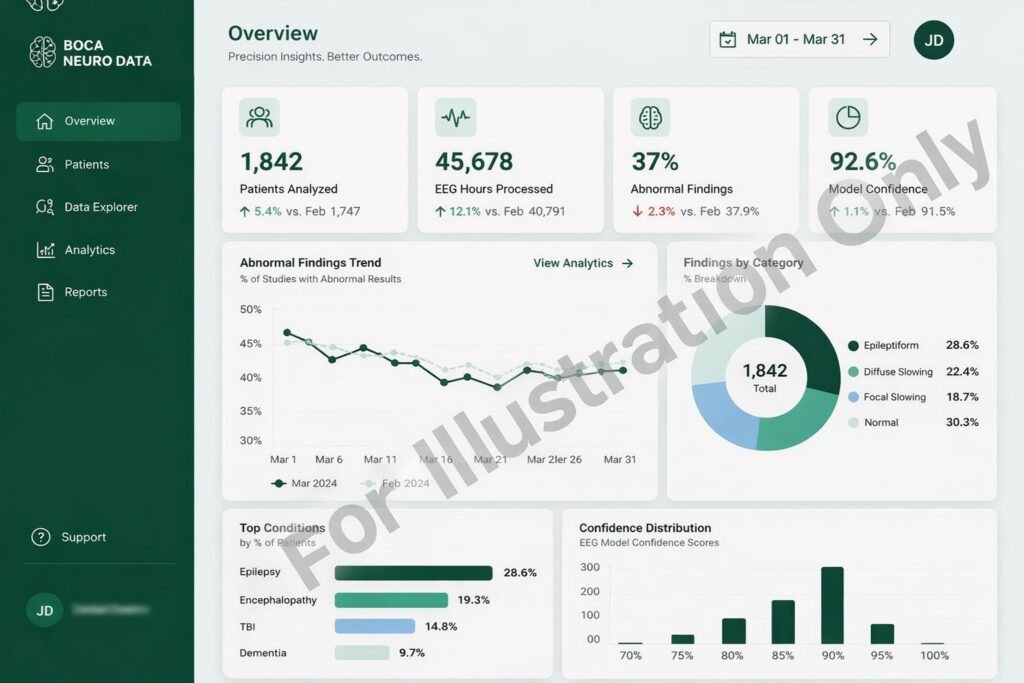
Nexus is a powerful data platform designed to elevate neurological care from insight to impact. By bringing together critical information from across the care journey, it empowers clinicians and organizations with a clearer, more connected view of each patient. The result is faster, more informed decision-making, improved coordination, and better outcomes. With advanced capabilities that unlock meaningful patterns and insights, Nexus enables healthcare teams to move beyond fragmented data and deliver smarter, more personalized care at every stage.
Blank
Nexus. Unlocking The Value
In Data
Nexus is a powerful data platform designed to elevate neurological care from insight to impact. By bringing together critical information from across the care journey, it empowers clinicians and organizations with a clearer, more connected view of each patient. This unified perspective allows healthcare professionals to better understand complex conditions, identify trends earlier, and respond with greater precision and confidence. The result is faster, more informed decision-making, improved coordination across teams, and ultimately better patient outcomes.
By breaking down traditional data silos, Nexus creates a seamless flow of information that supports collaboration across departments, specialties, and care settings. Clinicians are no longer limited by fragmented or incomplete data; instead, they can access a comprehensive picture that enhances both diagnosis and treatment planning. This not only improves efficiency but also reduces the risk of errors and delays, ensuring that patients receive timely and effective care.
With advanced capabilities that unlock meaningful patterns and insights, Nexus enables healthcare teams to move beyond reactive approaches and toward proactive, data-driven care. Subtle signals and emerging trends can be identified earlier, supporting preventative strategies and more personalized interventions. As a result, care becomes not only more efficient but also more tailored to the unique needs of each individual.
Ultimately, Nexus empowers healthcare organizations to transform the way neurological care is delivered—bridging the gap between data and action, and enabling a more connected, intelligent, and patient-centered healthcare ecosystem at every stage of the journey.
Blank
Project Axon. Recycling
Neuro Data
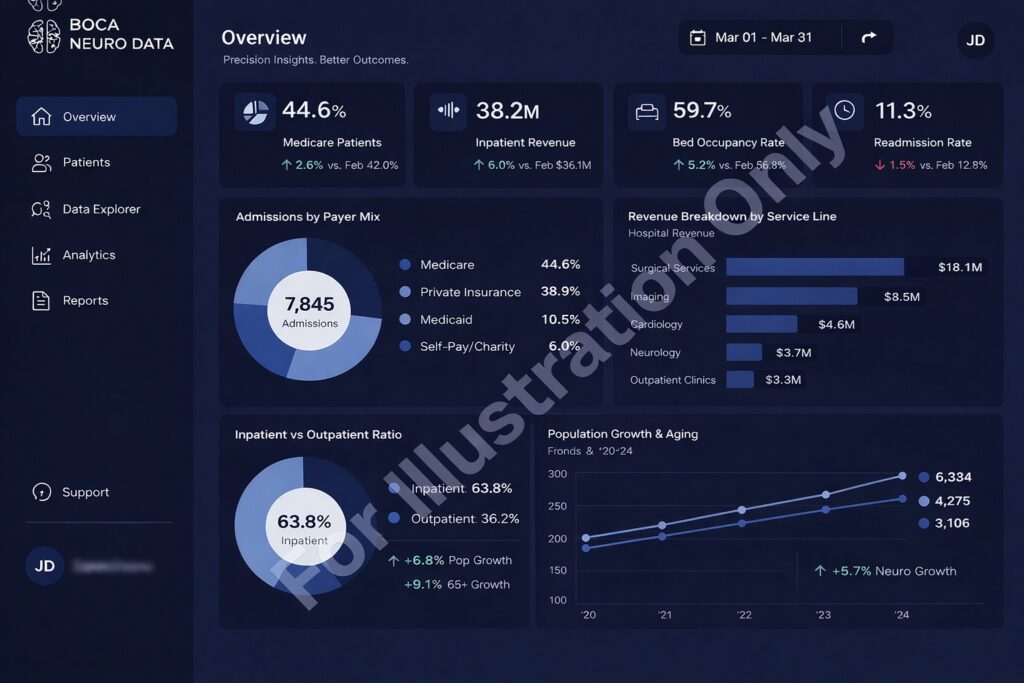
Axon is a forward-looking data analytics initiative designed to transform how healthcare organizations understand performance and profitability. By leveraging neuro data originally collected through Nexus, Axon unlocks deeper insights into operational efficiency, revenue streams, and clinical outcomes. The platform will evolve into a powerful dashboard that enables decision-makers to identify trends, optimize workflows, and drive smarter financial strategies. With a focus on clarity and actionable intelligence, Axon bridges the gap between complex data and real-world impact—empowering healthcare leaders to improve both patient care and business performance through informed, data-driven decisions.
Blank
Sharing Knowledge
At Boca Neuro Data, we actively encourage our employees to think critically, develop new ideas, and share their perspectives. As data analytics continues to evolve rapidly—particularly under the influence of AI—it is essential that we stay ahead of emerging trends and opportunities. We invite our team members to contribute reports based on their experiences working with neuro data analytics, helping to capture real-world insights from across the organization. By fostering a culture of curiosity and contribution, we ensure that innovation is not limited to a single team, but driven by collective expertise, keeping Boca Neuro Data at the forefront of advancement.
Blank

Simple Facts Behind The Neuro Data Transformation
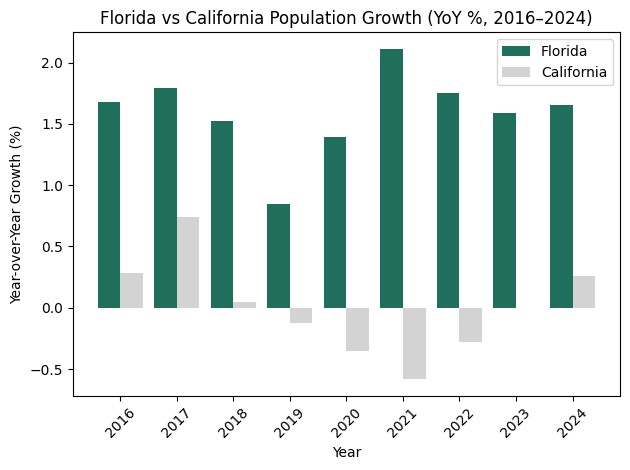
Over the past decade, Florida’s population has climbed to over 23.3 million, driven largely by domestic migration, particularly among older adults. Migration patterns show that many new residents are in their 50s, 60s, and beyond, directly increasing the prevalence of age-related conditions, including neurological diseases such as Alzheimer’s, stroke, and Parkinson’s.
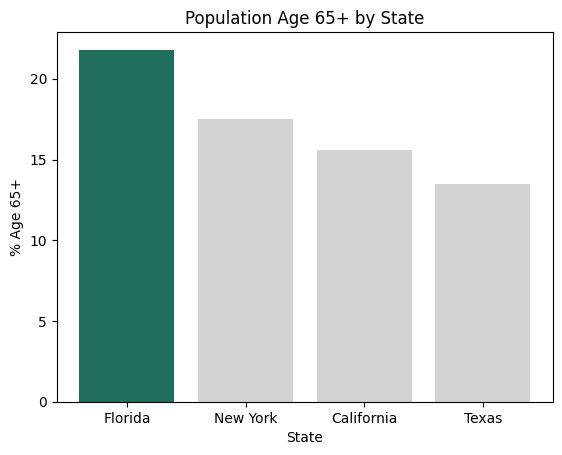
Florida has one of the highest proportions of older adults in the United States, with over one-fifth of its population aged 65 and older. As the share of older residents increases, so too does the volume of neurodiagnostic testing, imaging, and long-term disease management. This creates vast amounts of complex, longitudinal data, placing pressure on healthcare systems to deliver more specialized, data-driven care.
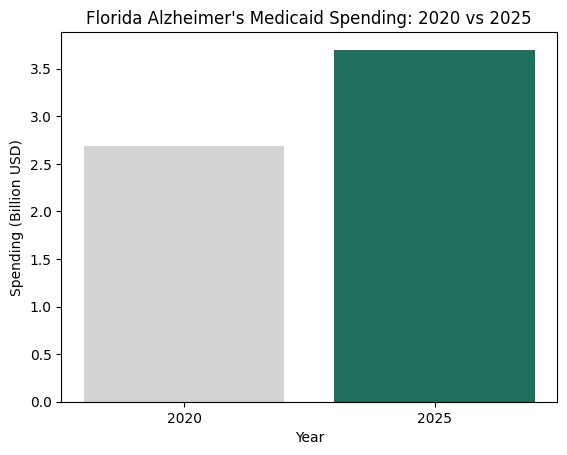
Florida is one of the largest healthcare markets in the country, and its Medicaid program alone accounts for approximately $21.8 billion in annual spending, covering millions of residents. This concentration of spending, combined with an aging and rapidly growing population, makes Florida a focal point for neurological care innovation.
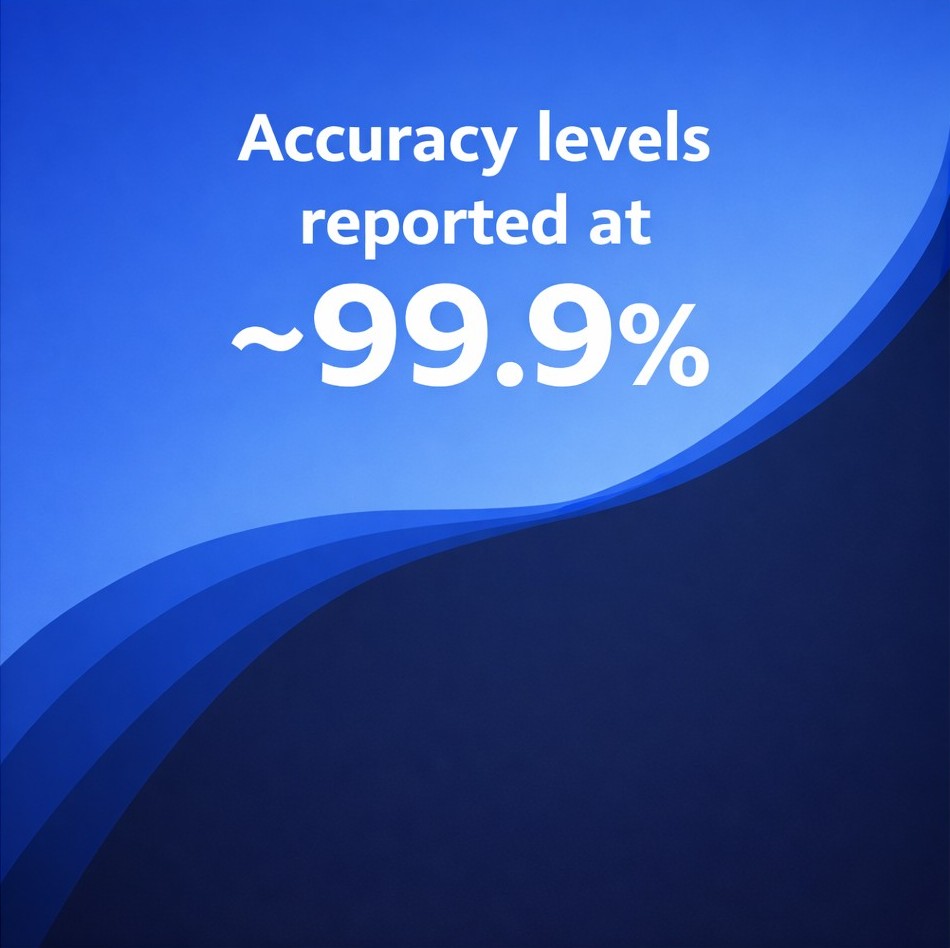
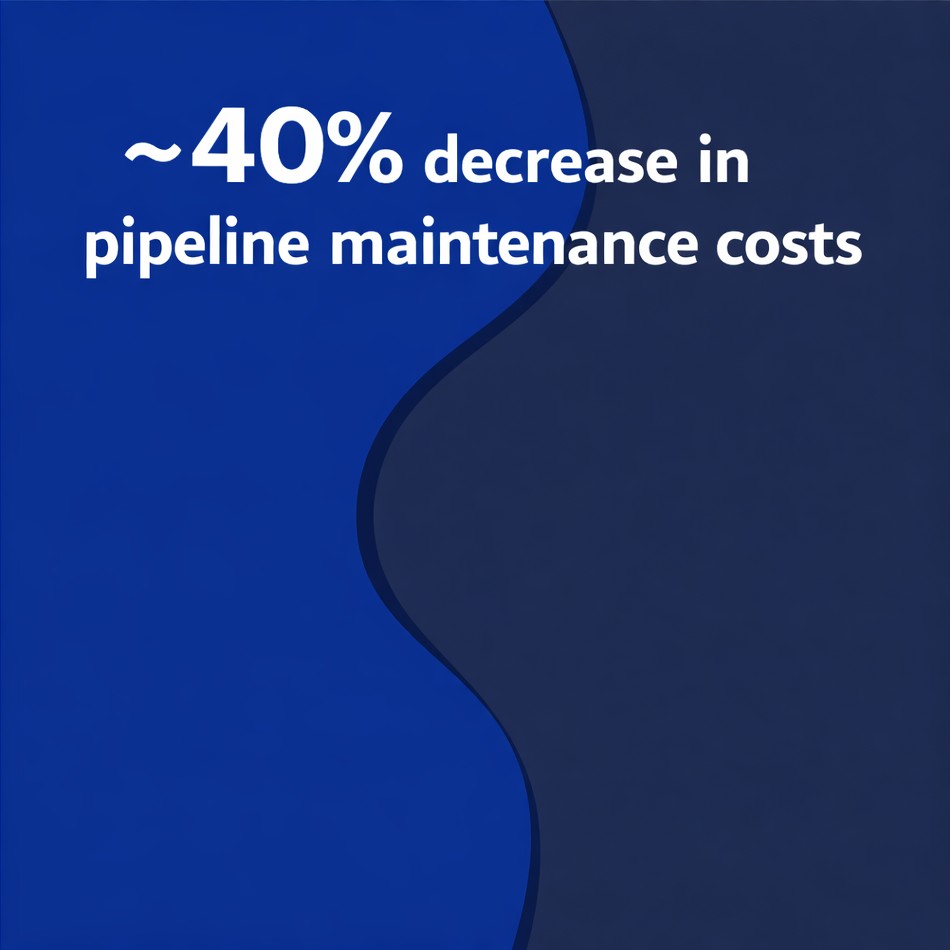
Precision Treatment, Measurable Performance



Compliance
At Boca Neuro Data we have placed compliance front and center of our business. We adhere specifically to the following twelve points:
- Strong Access Controls
- Business Associate Agreement (HIPAA compliant)
- Regular Auditing
- Encryption
- Strict Data Governance
- Regular HIPAA/FIPA Training
- We Use A HIPAA-Compliant Cloud Provider
- We Maintain A HIPAA/FIPA-Compliant Breach Plan


- We Collect The Minimum Data Required
- Security Risk Analyses (HIPAA-Compliant)
- Interoperability Controls
- We Regularly Update Policies To Comply With Federal And State Laws

Florida’s hospital networks are facing rising demand for neurological care, driven by an aging population and increasing prevalence of conditions such as Alzheimer’s disease, stroke, and Parkinson’s. Nexus by Boca Neuro Data empowers providers to meet this challenge with a more connected, intelligent approach to care delivery—supporting earlier diagnosis, faster clinical decisions, and more personalised treatment pathways.
Across multi-site networks, Nexus enhances operational performance by improving visibility into patient flow, reducing bottlenecks, and optimising the use of staff and critical resources. This enables hospitals to increase capacity and efficiency without the need for additional infrastructure, while also improving patient experience and outcomes.
From a financial perspective, Nexus helps uncover opportunities to strengthen revenue performance and reduce unnecessary costs. By highlighting inefficiencies and aligning services with demand, hospital leaders can make more informed strategic decisions and focus investment where it delivers the greatest value.
At the same time, Nexus supports quality improvement and alignment with value-based care models, helping organisations deliver more consistent, high-quality care.
The result is a more efficient, financially sustainable, and clinically advanced neurological care model—positioning your network at the forefront of modern healthcare.

Florida’s neurology centers are facing rapidly increasing demand, driven by one of the largest aging populations in the U.S. Conditions such as Alzheimer’s, stroke, epilepsy, and Parkinson’s are placing growing pressure on clinicians, resources, and care pathways.
Nexus by Boca Neuro Data is designed to help you meet this challenge—empowering your center to deliver more precise, efficient, and patient-centric neurological care.
Nexus enables clinicians to make faster, more confident decisions by providing a more connected view of each patient’s journey. This supports earlier diagnosis, improved disease monitoring, and more personalised treatment—particularly in complex and time-sensitive conditions.
Operationally, Nexus helps you optimise capacity and reduce bottlenecks across diagnostics and care pathways. By improving visibility into workflows and resource utilisation, you can increase throughput and reduce wait times without additional infrastructure.
From a financial perspective, Nexus uncovers opportunities to strengthen revenue performance and reduce inefficiencies—helping you operate more sustainably in an increasingly value-driven environment.
At the same time, Nexus supports quality improvement, research, and collaboration—positioning your center at the forefront of neurological innovation.
Better outcomes. Greater efficiency. Stronger performance.

Developing therapies for neurological conditions is one of the toughest challenges in medicine—high complexity, long timelines, and costly trial failures. Nexus by Boca Neuro Data is designed to help pharmaceutical and biotech companies navigate this landscape with greater precision, speed, and confidence.
Nexus enables more accurate patient stratification, helping you identify the right cohorts for your trials and improve the likelihood of demonstrating efficacy. By leveraging deeper insights, you can design smarter studies, optimise endpoints, and accelerate recruitment—reducing both time and cost.
The platform also strengthens your ability to generate real-world evidence, supporting regulatory submissions, market access, and post-market surveillance. At the same time, Nexus helps uncover valuable signals that support biomarker discovery and validation, advancing both research and clinical application.
Operationally, Nexus streamlines data workflows and improves data quality, allowing your teams to focus on high-value decision-making rather than manual processes.
By enabling better collaboration across partners and providing faster access to meaningful insights, Nexus helps you reduce uncertainty, improve trial success rates, and bring therapies to market more efficiently.
Smarter trials. Faster insights. Stronger outcomes.

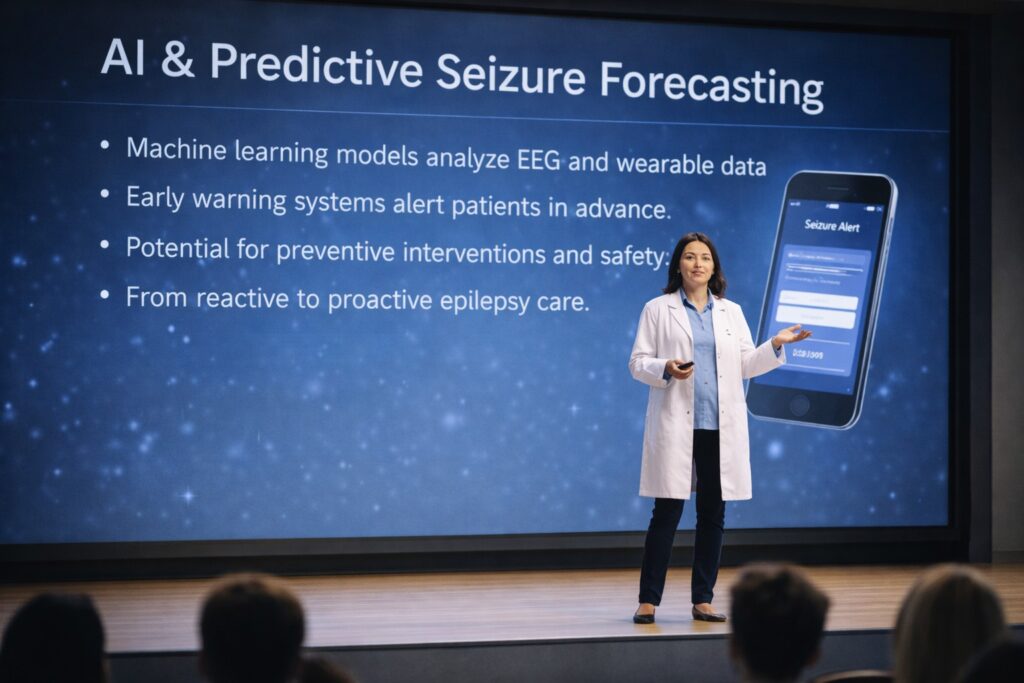
Academic centers are at the forefront of neurological discovery—but increasingly, progress is limited by fragmented data, complex workflows, and the challenge of translating research into real-world impact.
Nexus by Boca Neuro Data is designed to accelerate your research and amplify its impact.
Nexus brings together diverse neurological data into a unified, research-ready environment—enabling deeper exploration, stronger insights, and more robust findings. By reducing the time spent on data preparation and management, your teams can focus on what matters most: discovery, analysis, and publication.
With advanced analytical capabilities, Nexus helps uncover meaningful patterns, support biomarker research, and drive new understanding of disease progression and treatment response. This strengthens both the quality and speed of your research output.
Nexus also enables more effective collaboration across institutions and disciplines, supporting multi-center studies and partnerships with industry. At the same time, it enhances your ability to secure funding by demonstrating strong data infrastructure and analytical capability.
By bridging the gap between research and clinical application, Nexus supports true translational impact—helping your discoveries move from insight to improved patient care.
Faster research. Deeper insights. Greater impact.


Florida’s aging population is driving a rapid rise in Alzheimer’s and related dementias—placing increasing pressure on statewide programs to deliver coordinated, high-quality care while supporting caregivers and managing long-term costs.
Nexus by Boca Neuro Data already enhances the programs of Florida’s Department of Elder Affairs by strengthening and scaling its impact.
Nexus enables a more connected, data-driven approach to Alzheimer’s care across the state. By providing a clearer view of patient journeys and outcomes, it supports earlier identification, more proactive intervention, and improved coordination between memory clinics, community programs, and care providers.
The platform enhances visibility into program performance—helping you understand where services are most effective, where gaps exist, and how resources can be better allocated to meet growing demand.
Nexus also strengthens caregiver support strategies by identifying patterns in care needs and outcomes, enabling more targeted and effective interventions.
From a statewide perspective, Nexus supports better planning, policy development, and reporting—aligning with the goals of improving quality of life for patients while managing the broader social and economic impact of Alzheimer’s.
Smarter programs. Better outcomes. Greater statewide impact.

This is a title
Axon is designed to transform how healthcare organizations understand and improve profitability by unlocking the value within neurological data. Built on rich, real-world data already captured across the care continuum, Axon converts this often underutilized resource into clear, actionable insight—helping providers make smarter financial and operational decisions in an increasingly complex environment.
In Florida, healthcare profitability is influenced by factors such as payer mix, case complexity, service line performance, and operational efficiency. However, many organizations lack the integrated visibility needed to see how these drivers interact. Axon addresses this by delivering a unified, data-driven view that connects clinical activity directly to financial outcomes.
With Axon, leaders gain clarity on reimbursement dynamics, patient segmentation, and service line performance—highlighting where margins are strongest and where improvements are needed. The platform also uncovers inefficiencies in patient flow and resource utilization, enabling organizations to streamline operations and enhance throughput.
By linking clinical outcomes with financial performance, Axon supports success in value-based care models. Ultimately, it empowers providers to move from fragmented data toward a proactive, insight-driven approach to profitability and performance.

This is a title
Axon is designed to unlock new levels of efficiency across healthcare organizations by transforming existing neurological data into clear, actionable insight. Built on data already captured throughout the care journey, Axon connects clinical activity with operational performance, giving leaders a unified view of how their systems truly function.
By illuminating key drivers such as patient flow, resource utilization, and workforce alignment, Axon helps identify bottlenecks that often go unseen. Whether it’s delays in patient throughput, underutilized capacity, or inefficiencies in staffing, Axon provides the visibility needed to act quickly and decisively. This is particularly valuable in high-demand environments like Florida, where population growth and an aging demographic place constant pressure on healthcare systems.
Axon also enables organizations to better anticipate demand, optimize scheduling, and improve coordination across departments. By turning fragmented data into a cohesive operational picture, it empowers providers to streamline processes, reduce costs, and increase throughput—without compromising quality of care.
In a landscape where efficiency is critical to both financial sustainability and patient outcomes, Axon delivers the intelligence needed to operate smarter. It allows healthcare organizations to move from reactive management to proactive optimization, creating a more responsive, efficient system built on data they already have.

This is a title
Axon is designed to elevate healthcare performance by unlocking the full potential of neurological data already captured across the care journey. In a complex and rapidly evolving environment like Florida, where clinical outcomes, operational efficiency, financial sustainability, and patient experience are deeply interconnected, Axon provides the clarity organizations need to perform at their highest level.
By transforming fragmented neuro data into a unified, actionable view, Axon enables healthcare leaders to understand how key performance drivers truly interact. It connects clinical outcomes with operational and financial metrics, revealing where performance is strong and where improvement is needed. From reducing readmissions and improving patient outcomes to optimizing throughput and resource utilization, Axon brings critical insights into focus.
Axon also supports performance in value-based care models by linking quality metrics directly to financial impact. This allows organizations to proactively manage both clinical excellence and reimbursement outcomes. At the same time, it enhances visibility into workforce alignment and care coordination, helping teams deliver more consistent, efficient, and patient-centered care.
By building on data organizations already possess, Axon eliminates the need for disruptive change while delivering transformative insight. The result is a smarter, more connected approach to performance—enabling healthcare providers to make confident, data-driven decisions that improve outcomes and strengthen long-term success.

This is a title
Axon is designed to bring clarity to one of the most complex challenges in healthcare: understanding and anticipating demand. By unlocking the value of neurological data already captured across the care journey, Axon transforms fragmented information into a powerful lens on how demand is evolving across the Florida healthcare landscape.
In a state defined by rapid population growth, aging demographics, and rising prevalence of chronic and neurological conditions, demand is not only increasing—it is becoming more complex and less predictable. Axon enables healthcare organizations to see these shifts clearly. By connecting clinical activity with broader utilization patterns, it reveals how factors such as population changes, disease trends, and seasonal fluctuations are shaping demand in real time.
With Axon, leaders can move beyond reactive planning and toward proactive strategy. The platform highlights where demand is growing, where capacity may be constrained, and how care delivery is shifting between inpatient and outpatient settings. This insight allows organizations to better align resources, optimize service lines, and anticipate future needs.
By building on data they already possess, Axon delivers immediate value without disruption. It empowers healthcare providers to stay ahead of demand trends—ensuring they are not only prepared for what’s coming, but positioned to deliver smarter, more responsive care at scale.

This is a title
Axon is designed to bring unprecedented clarity to healthcare utilization by unlocking the value of neurological data already generated across the care continuum. In a complex environment like Florida—where aging demographics, chronic disease prevalence, and shifting care models drive ever-increasing service use—understanding utilization is critical to both operational efficiency and financial performance. Yet, for many organizations, this data remains fragmented and underleveraged.
Axon transforms this existing neuro data into a unified, actionable view of how healthcare services are actually used. By connecting clinical activity with utilization patterns, it enables providers to see where demand is concentrated, how frequently services are accessed, and how care pathways evolve over time. This insight reveals opportunities to optimize resource allocation, reduce unnecessary utilization, and better align capacity with patient needs.
With Axon, healthcare leaders can move beyond reactive management and toward proactive planning. The platform highlights trends across inpatient and outpatient settings, identifies inefficiencies, and supports more effective coordination of care. By building on data organizations already possess, Axon delivers immediate value—empowering providers to manage utilization more intelligently and deliver more efficient, patient-centered care in a rapidly evolving healthcare landscape.


This is a title
The Strategic Advantage of Data
As a data scientist, one of the most important lessons I have learned is that data only creates value when it is accessible, connected, and actionable. Many organizations, especially in healthcare, struggle with fragmented systems where clinical, operational, and financial data exist in isolation. These “data silos” prevent teams from seeing the full picture, limiting both insight and impact. Breaking down these silos is therefore a critical first step toward unlocking the strategic advantage of data.
When data is integrated across systems, organizations gain a unified view of performance. Instead of relying on disconnected reports, stakeholders can understand how different parts of the organization interact. For example, clinical outcomes can be directly linked to operational workflows or financial results. This holistic perspective enables more informed decision-making and reveals opportunities that would otherwise remain hidden.
Equally important is democratizing access to data. Traditionally, data has been controlled by specialized teams such as IT or analytics departments. However, real value emerges when a broader group of users—analysts, clinicians, and administrators—can access and interact with data directly. Analysts can conduct deeper investigations, while clinicians can use real-time insights to guide patient care. Empowering users to explore data encourages curiosity, supports faster problem-solving, and reduces reliance on static reporting.
The ability to explore and act on data is what transforms information into impact. Exploration allows users to identify trends, test hypotheses, and uncover inefficiencies. Action ensures that these insights lead to meaningful change, such as improving workflows, optimizing resource allocation, or adjusting treatment strategies. Without this connection between insight and execution, data remains underutilized.
Beyond technology, the true strategic advantage of data lies in fostering a culture of data-driven improvement. This means embedding data into everyday decision-making processes. Teams continuously measure performance, identify gaps, and implement evidence-based changes. Over time, this creates a feedback loop where data informs action, and action generates new data for further analysis. Organizations become more adaptive, responsive, and aligned around measurable outcomes.
From a business perspective, the value proposition is clear: transforming fragmented data into a shared, actionable asset drives organization-wide improvement. Integrated data systems enhance visibility, while user-friendly tools enable self-service analytics. This combination not only improves efficiency but also strengthens collaboration across departments.
In conclusion, the strategic advantage of data comes from integration, accessibility, and action. Organizations that break down silos, empower their people, and embed data into their culture are better positioned to make informed decisions and achieve sustained improvement. For a data scientist, this highlights an essential principle: data is not just a technical resource—it is a strategic asset that, when used effectively, can transform how organizations operate and deliver value. (Mark Ramos, 03/16/2026)


This is a title
Unite Your Scattered Data
With three years of experience in data analysis, one of the most consistent challenges I have observed in healthcare organizations is data fragmentation. Critical information is often distributed across multiple systems—electronic health records (EHRs), billing platforms, claims databases, and operational tools—each functioning independently. This separation creates barriers to insight, limits visibility, and introduces inefficiencies that impact both clinical and financial performance. Uniting scattered data into a single, consistent source of truth is therefore a key driver of organizational improvement.
At its core, data integration involves bringing together disparate datasets and aligning them into a unified structure. In healthcare, this requires the use of domain-specific models and mappings that can reconcile differences in formats, coding systems, and terminology. For example, clinical data may use one set of standards, while billing and claims systems rely on others. Without proper mapping, these datasets cannot be meaningfully combined. By applying healthcare-specific data models, organizations can ensure that data from different sources is compatible, consistent, and ready for analysis.
One of the most valuable outcomes of this integration is the creation of a single patient view. This unified perspective allows clinicians, administrators, and analysts to access all relevant patient information in one place, including medical history, diagnostic results, treatments, and financial interactions. A comprehensive view reduces the risk of incomplete or inconsistent information, enabling more accurate decision-making and better coordination of care. For analysts, it also enables more robust longitudinal studies and performance tracking.
Standardization is another critical component. When metrics, terminology, and workflows vary across departments, it becomes difficult to compare performance or identify trends. By standardizing these elements, organizations create a common language that supports consistent reporting and analysis. This reduces ambiguity, minimizes errors, and ensures that insights are interpreted correctly across teams.
From an operational perspective, unifying data significantly improves visibility. Leaders can gain a clearer understanding of how different parts of the organization are performing, from clinical outcomes to financial results. This visibility enables more proactive management, allowing organizations to identify inefficiencies, monitor key performance indicators, and respond quickly to emerging issues.
Improved data quality is another important benefit. Fragmented systems often lead to duplication, inconsistencies, and errors. By consolidating data into a single source of truth, organizations can implement validation processes that enhance accuracy and reliability. This not only supports better decision-making but also reduces the administrative burden associated with reconciling conflicting information.
Finally, uniting scattered data enhances cross-team collaboration. When all stakeholders—clinicians, analysts, and operational staff—are working from the same dataset, communication becomes more effective and aligned. Teams can coordinate more easily, share insights, and work toward common goals based on a shared understanding of performance and patient needs.
In conclusion, integrating fragmented healthcare data into a unified system is a foundational step toward improving efficiency, accuracy, and decision-making. By leveraging healthcare-specific models, creating a single patient view, and standardizing data across the organization, healthcare providers can unlock the full value of their data. The result is improved visibility, fewer errors, and stronger collaboration—ultimately leading to better outcomes for both patients and the organization. (Doug Logan, 03/12/2026)

This is a title
AI & Neurology
Over the past 12 months I have observed how artificial intelligence (AI) and data analytics have rapidly evolved from supportive tools into central drivers of transformation within healthcare—particularly in neurology. Since 2020, this shift has accelerated significantly, largely due to the COVID-19 pandemic, which forced healthcare systems to adopt real-time data-driven approaches to manage unprecedented challenges. As a result, organizations began investing heavily in analytics and AI capabilities to improve both clinical and operational performance.
One of the most impactful changes has been the rise of data-driven clinical decision-making. In neurology, where data is often complex and multidimensional, AI plays a critical role in extracting meaningful insights. Machine learning models can analyze imaging data such as MRIs, interpret EEG signals, and process longitudinal patient records to detect subtle patterns that may not be visible to the human eye. These capabilities enable earlier identification of neurological conditions, more accurate diagnoses, and more personalized treatment plans. For example, predictive analytics can identify patients at risk of stroke or cognitive decline, allowing clinicians to intervene earlier and improve patient outcomes.
AI has also contributed to significant improvements in operational efficiency. Healthcare organizations now use analytics-driven tools to optimize staffing, manage bed capacity, and monitor patient flow. Real-time dashboards provide visibility into key performance indicators, enabling faster and more informed decision-making. In neurological care, where timely intervention is critical, these efficiencies can directly impact patient outcomes. By reducing delays and improving coordination, AI supports both cost reduction and quality improvement.
Another important area of impact is population health management. AI enables healthcare providers to move beyond reactive, episodic care and adopt a more proactive approach. By analyzing data across large patient populations, organizations can identify trends, predict disease progression, and target interventions more effectively. This is particularly valuable in neurology, where conditions such as Alzheimer’s disease and Parkinson’s disease require long-term monitoring and management. AI-driven insights help clinicians understand how these diseases evolve over time and tailor care accordingly.
Despite these advancements, challenges remain. A significant portion of healthcare data is still fragmented across multiple systems, and much of it exists in unstructured formats such as clinical notes and imaging files. These limitations can restrict the effectiveness of AI models, which rely on high-quality, well-integrated data. Additionally, issues related to interoperability, data governance, and privacy must be carefully managed to ensure compliance and maintain trust.
However, ongoing advancements in cloud computing, data integration, and AI technologies are steadily addressing these barriers. As these capabilities mature, the role of AI in neurology is expected to expand further, enabling even deeper insights and more precise interventions.
In conclusion, AI and data analytics are transforming neurology by enhancing clinical decision-making, improving operational efficiency, and enabling proactive population health management. While challenges persist, the continued evolution of technology and data infrastructure positions AI as a key driver of innovation and improved outcomes in neurological care. (Mark Ramos, 02/09/2026)

This is a title
Florida & Neuro Data
As an employee of Boca Neuro Data, it is clear that Florida represents one of the most strategically valuable environments for neurological data in the United States. This advantage is driven by a unique combination of demographic trends, clinical activity, and healthcare system characteristics that together generate an exceptional volume and depth of neuro-related data.
At the core of this opportunity is Florida’s population profile. With more than 20% of residents aged 65 and older, the state has one of the highest concentrations of seniors in the country. Age is the primary risk factor for many neurological conditions, including Alzheimer’s disease, stroke, Parkinson’s disease, and other forms of cognitive decline. As a result, Florida naturally produces a disproportionately large share of neurological diagnoses and associated clinical data.
This aging population is also rapidly expanding, fueled by both in-migration of retirees and increasing life expectancy. The impact is evident in the frequency of neurological care interactions—ranging from routine consultations to advanced diagnostics. Imaging studies such as MRIs and CT scans, along with diagnostic tools like EEGs, are used extensively across the state. Each of these interactions generates high-dimensional data, including structured records as well as complex unstructured data such as physician notes and imaging files. Over time, this creates rich longitudinal datasets that are particularly valuable for understanding disease progression, treatment effectiveness, and long-term patient outcomes.
Florida’s healthcare ecosystem further enhances the value of this data. The state is home to a large and diverse network of hospitals, outpatient centers, specialty clinics, and private practices. While this fragmentation can present challenges in data integration, it also ensures that data is captured across a wide range of care settings. This diversity reflects variations in patient populations, clinical approaches, and operational workflows, creating a more comprehensive and representative dataset when properly unified.
In addition, Florida has seen widespread adoption of electronic health records, meaning that the majority of patient interactions are now digitized. This has led to the accumulation of vast amounts of clinical data over the past decade. However, much of this data remains siloed and underutilized—particularly unstructured data such as imaging and narrative clinical documentation. This disconnect between data generation and data utilization represents a significant opportunity for advanced data platforms.
The economic impact of neurological disease in Florida further underscores the importance of leveraging this data. Conditions such as Alzheimer’s disease place a substantial and growing financial burden on the healthcare system, with billions of dollars spent annually. This creates a strong incentive for providers, payers, and policymakers to use data more effectively to improve outcomes, optimize care delivery, and manage costs.
In summary, Florida’s aging population, high prevalence of neurological conditions, diverse care environments, and extensive digital infrastructure make it an exceptionally rich source of neurological data. At Boca Neuro Data, we recognize that unlocking the insights within this data is key to transforming neurological care—enabling better outcomes, more efficient resource use, and a deeper understanding of disease across the entire care continuum. (Miranda Gamao, 03/09/2026)